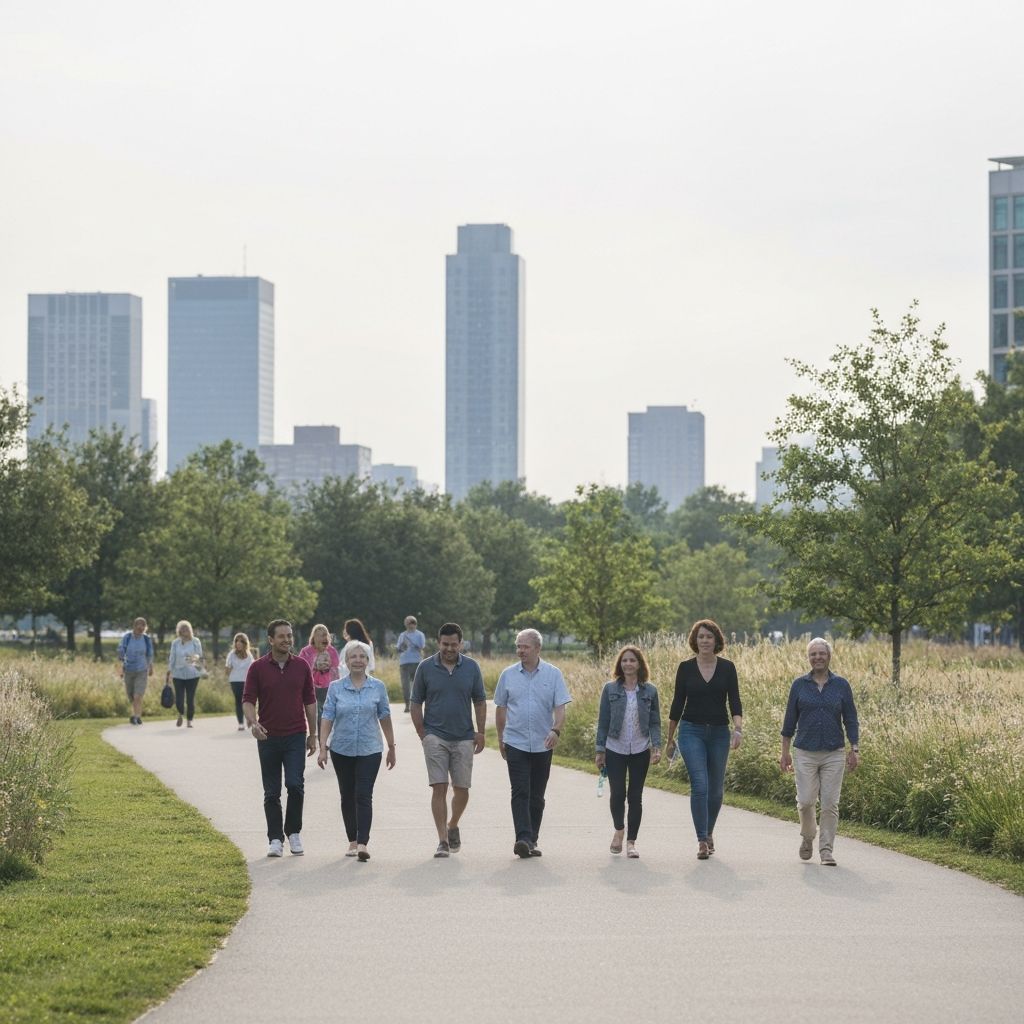
Active Lifestyle Perspectives After 40
An educational resource exploring daily movement, lifestyle balance, and activity concepts in everyday life
Introduction to Active Lifestyle After 40
The concept of an active lifestyle after the age of forty encompasses various aspects of daily movement, routine habits, and environmental factors. This informational resource examines how everyday activities contribute to overall lifestyle patterns without making medical claims or providing treatment advice.
Understanding the relationship between age, daily habits, and movement patterns requires a comprehensive look at social, cultural, and individual factors. This educational platform presents general information about activity concepts relevant to adults over forty.
The content provided here is purely informational and does not constitute medical advice, treatment recommendations, or personalized guidance. Each individual's situation is unique and may require consultation with qualified professionals.
Daily Movement Concepts

Understanding Everyday Activity
Daily movement refers to the natural activities that occur throughout a typical day. This includes walking, climbing stairs, performing household tasks, and engaging in regular routines that involve physical motion.
The relationship between daily movement and lifestyle patterns has been studied from various perspectives. Research literature explores how regular activity patterns may correlate with different lifestyle frameworks, though individual experiences vary widely.
Different cultures and societies have varying approaches to daily activity. Some emphasize structured routines while others focus on integrating movement into everyday tasks naturally.
Lifestyle Rhythm and Balance
Finding Personal Patterns
Lifestyle rhythm refers to the natural patterns of activity and rest that individuals develop over time. After forty, many people report changes in their daily routines and energy patterns, though experiences vary significantly.
Balance in lifestyle context describes the relationship between different activities throughout the day. This concept is explored in various frameworks, from time management studies to cultural practices around the world.
Individual preferences play a significant role in determining what constitutes a balanced lifestyle. Factors such as work schedules, family obligations, and personal interests all contribute to unique daily patterns.

Environmental Influence on Activity

Contextual Factors
The environment in which people live significantly influences daily activity patterns. Urban settings may offer different opportunities for movement compared to rural areas, each with distinct characteristics.
Climate, geography, and infrastructure all contribute to how individuals engage with their surroundings. Access to walkable spaces, public transportation, and outdoor areas varies widely across different locations.
Social environment also plays a role in activity patterns. Community structures, cultural norms, and social networks can influence how adults over forty approach daily movement and lifestyle choices.
Social Aspects of Staying Active
Community and Connection
Social interactions often intersect with daily activity patterns. Group activities, community events, and social gatherings can provide contexts for movement and engagement with others.
The relationship between social connection and activity levels has been examined in various sociological and anthropological studies. Different cultures have diverse approaches to combining social interaction with daily movement.
After forty, many individuals report changes in their social circles and community involvement. These shifts can influence daily routines and activity patterns in various ways.
Common Myths About Age and Activity
Clarifying Misconceptions
Several common misconceptions exist regarding age and activity levels. One prevalent myth suggests that significant lifestyle changes are impossible after a certain age, though individual experiences vary considerably.
Another misconception involves the belief that daily activity must be structured or intensive to be meaningful. In reality, various forms of movement contribute to overall lifestyle patterns.
Cultural attitudes toward aging and activity differ widely across societies. Understanding these diverse perspectives helps contextualize different approaches to lifestyle and movement after forty.
It is important to note that individual capabilities, preferences, and circumstances vary greatly. General statements about age and activity cannot account for the full spectrum of human experience.
Informational Frameworks of Activity
Educational Perspectives
Various educational frameworks exist for understanding daily activity and lifestyle patterns. These include sociological models, behavioral science theories, and cultural studies approaches.
Public health literature discusses activity from a population-level perspective, examining trends and patterns across different demographic groups. These studies provide context for understanding broader patterns.
It is essential to recognize that frameworks are conceptual tools for understanding phenomena, not prescriptive recommendations. Individual circumstances always require personalized consideration.
Limitations and Context
Important Information
This website provides educational information only. The content presented here does not constitute medical advice, treatment recommendations, or personalized guidance for health-related decisions.
Information about activity, lifestyle, and daily movement is presented from an educational perspective to explore general concepts and frameworks. Individual circumstances vary widely, and what applies to population-level trends may not apply to specific individuals.
Readers should consult with qualified healthcare professionals for personalized advice related to health, activity levels, or lifestyle changes. This resource does not replace professional consultation or individualized assessment.
The diversity of human experience means that approaches to daily activity and lifestyle are highly individual. This educational resource acknowledges multiple perspectives without endorsing specific methods or outcomes.
Frequently Asked Questions
What is the purpose of this website?
This website serves as an educational resource providing general information about active lifestyle concepts for adults over forty. It does not offer medical services, treatment plans, or personalized recommendations.
Is this medical advice?
No. This website provides educational information only and does not constitute medical advice, diagnosis, or treatment recommendations. Consult qualified healthcare professionals for personalized medical guidance.
Who creates this content?
This is an independent educational project designed to present informational perspectives on daily activity and lifestyle concepts. It is not affiliated with medical institutions or treatment providers.
Can I apply this information to my situation?
Individual circumstances vary greatly. While this resource presents general educational information, applying any concepts to personal situations should involve consultation with appropriate professionals who can assess individual needs.
Explore More Information
Continue learning about lifestyle concepts and daily activity perspectives through our educational resources.
Learn More About This Project